


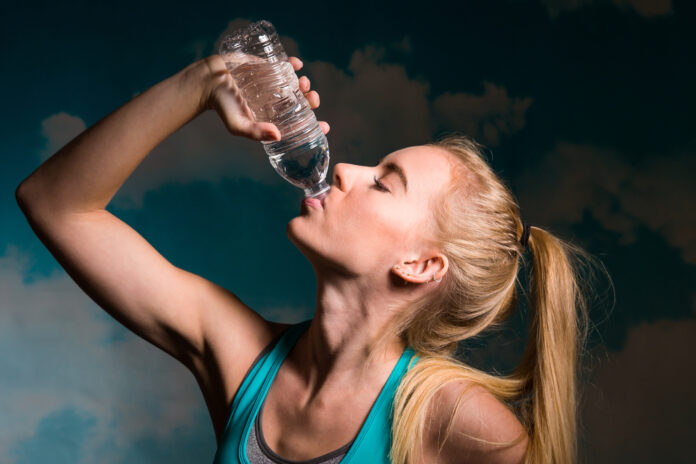
Lightheadedness. Fatigue. Headache. The body lets you know when it needs, not just wants, water. The discomfort of feeling dizzy, tired or achy isn’t just a self-protecting reminder from your body to hydrate. It’s a sign that systems and organs are in trouble.
For example, the brain is 73% water, but it can’t store water. It needs a constant supply of H20 to function properly. And when it doesn’t get it, your focus, memory and recall decline. In fact, the National Council on Aging warns that even 2% of brain fluid loss affects mood and diminishes reaction time.
The effects of frequent inadequate hydration manifest in other body parts as constipation, dull skin and hair, bad breath and dark urine. And orthopedists across the country stress the role water plays in joint and muscle health.
Insufficient hydration harms your bones and muscles, and can increase the possibility of muscle tears, sports injuries and joint damage.
Water is essential for two components that protect your joints: synovial fluid and cartilage.
Synovial fluid is the liquid in the joint space. It’s akin to oil in an engine. It is both a lubricant and a conveyor of nutrients to cartilage, which does not have a blood supply, which is how other body parts receive nourishment.
Synovial fluid is mostly water, and the joint lubricant that reduces friction and joint stiffness diminishes without adequate water. Mild dehydration can increase joint achiness. Adequate hydration is vital for people with arthritis.
Cartilage, which provides cushion against force and supports bones in areas that require flexibility, is about 75% water. Without adequate hydration, cartilage becomes more susceptible to deterioration and tears.
Exercise increases water loss and exacerbates the possible effects of dehydration on muscles, joints and bones while being active.
“… It’s extremely important to keep a good supply of clean water with you, even if you’re engaging in low-impact exercises like walking or yoga,” Ortho Atlanta advises. “Athletes can lose up to 3 quarts of water per hour as they exercise.
Orthopedists recommend drinking 20 ounces of water 2 hours before exercising and consuming 10 ounces of water every 20 minutes during a workout.
If you’ve ever felt or witnessed the knee-buckling pain of a muscle cramp, you know that adequate hydration is as essential to muscles as it is for joints. Dehydration disrupts your electrolyte balance, which can cause muscle cramping. Electrolytes control muscle contraction and help regulate the balance of fluid in muscles.
The U.S. National Academies of Sciences, Engineering, and Medicine recommends that men consume almost 16 cups of fluid a day and women 12 cups. That doesn’t contradict the longstanding advice of eight cups of water a day. The academy’s guidance is for fluids, and the balance of the liquid can come from foods or other drinks.
Foods with more than 80% water content include spinach, watermelon, cucumbers, celery, lettuce, peppers, cabbage, green grapes, pears, oranges, pineapple, peaches, strawberries and broccoli, according to Harvard Medical School.
Consuming those foods can help increase your fluid intake, which will also protect your bones. When the body has insufficient hydration, it cannot effectively convey calcium from the digestive system to the bones.
According to doctors with a Louisiana orthopedic practice, frequent dehydration prompts the body to drain calcium from bones to neutralize the acidity dehydration causes. And that leaching can lead to brittle bones that can increase the risk of fractures.

